
Revitalizing struggling churches.
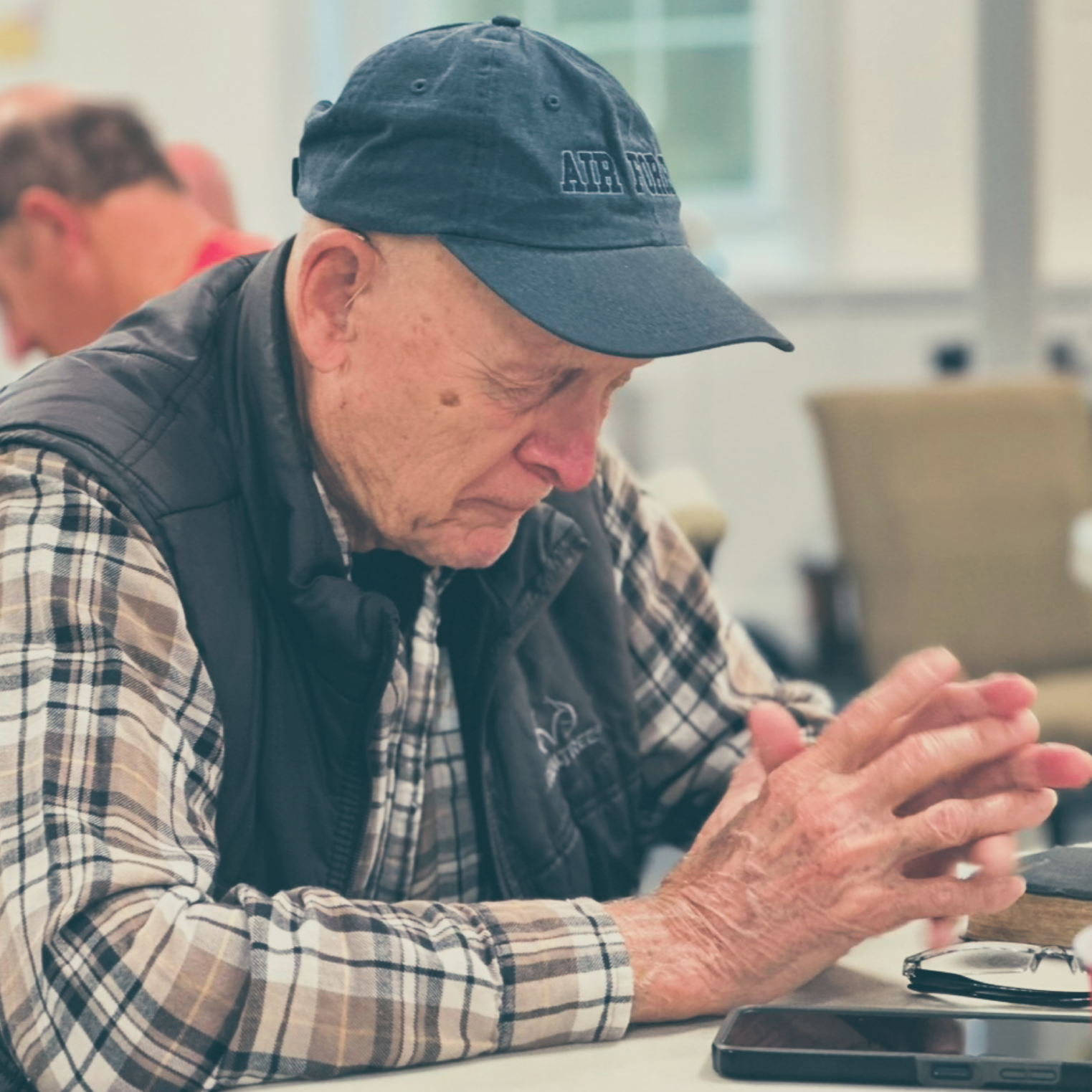
We help churches move from confusion to clarity by diagnosing their health, discerning their future, and walking with them toward renewal.
At Neighborhood Churches, we carry a deep conviction: no church should have to struggle alone. We believe that every local church—no matter its size, history, or current challenges—still matters to God and still has a role to play in His mission. Our heart is to come alongside churches that feel stuck, discouraged, or uncertain about the future and walk with them patiently, prayerfully, and practically toward renewal. We don’t arrive as experts with quick fixes, but as partners who listen, learn, and labor together for lasting health.
We know that revitalization is not about saving an institution—it’s about recovering a people. It’s about rediscovering the beauty of the gospel, reawakening love for one another, and re-engaging the mission to reach neighbors who don’t yet know Christ. Through our revitalization process, we help churches clarify vision, strengthen leadership, address unhealthy patterns, and build a culture centered on discipleship, prayer, and mission. Every step is relational, contextual, and grounded in the hope that God is not finished with your church.
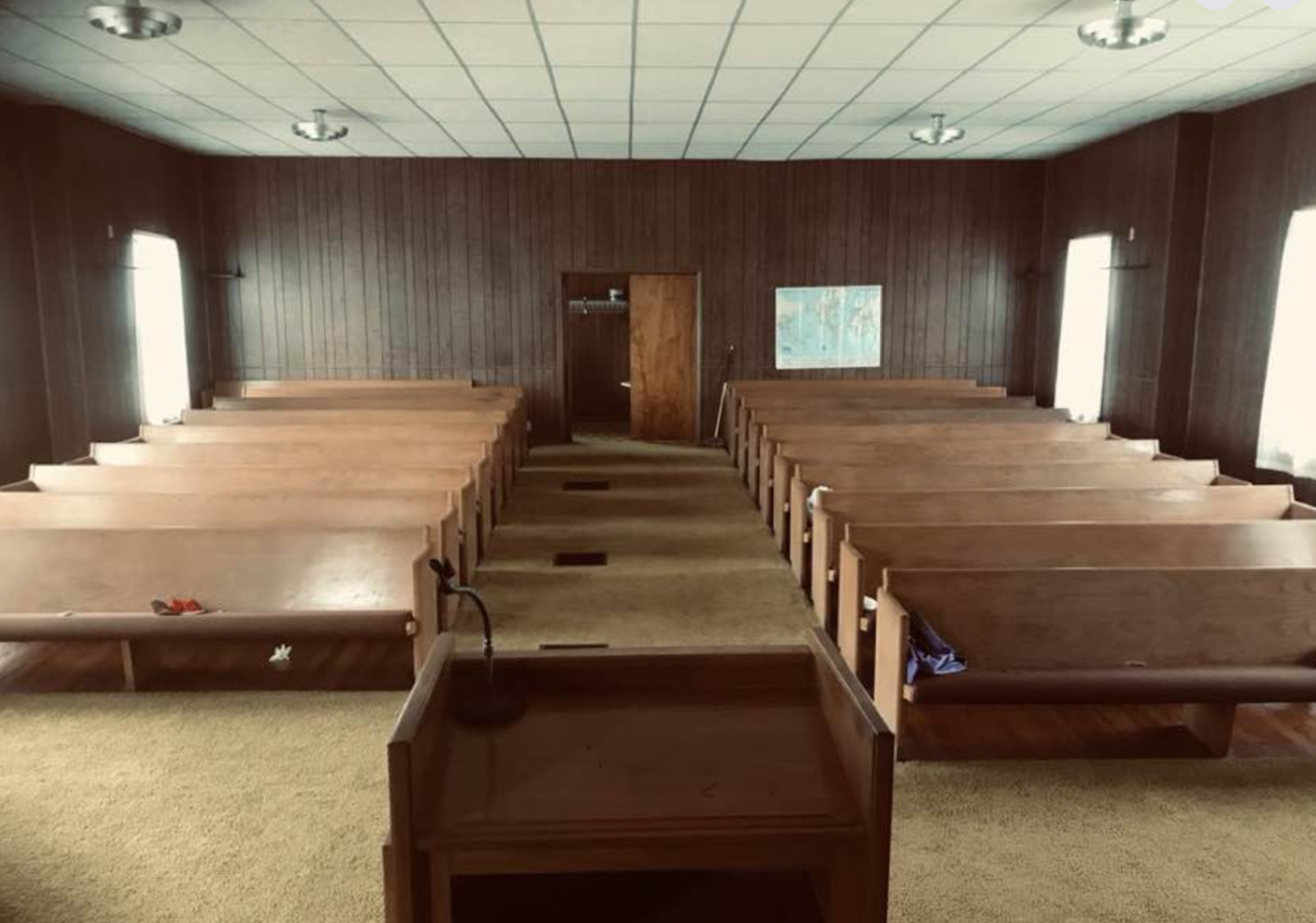
The reality is sobering: churches are closing every single Sunday across our country. Many quietly fade after years of decline, often without ever asking for help. But it doesn’t have to be that way. Your church does not have to become another statistic. There is still time to seek renewal, and there are people ready to walk with you.
That’s why we invite you to reach out and partner with Neighborhood Churches. Whether your church is in early stages of decline or facing significant challenges, we would be honored to explore what revitalization could look like together. You don’t have to navigate this season alone. There is hope, there is help, and by God’s grace, there is still a future worth fighting for.
When the Pews are Empty.
5 STEPS / 11 PHASES
1. Discover. Initial conversations + church data
2. Diagnose. Assess health, culture, leadership, and community
3. Discern. Evaluate readiness and determine viability
4. Decide. Revitalize, replant, merge, or close
5. Deploy. Launch revitalization process (if viable)
-
Goal: Determine if the church is ready to begin the process
Step 1: First Conversation
Meet with pastor and/or key leaders
Listen to their story
Identify perceived challenges
Assess urgency and openness
Key Question:
“Is this church willing to acknowledge reality and seek help?” -
Goal: Gather objective and subjective data about the church
Step 2: Church Profile & Health Data
Attendance trends (3–5 years)
Financial health
Baptisms and conversions
Leadership structure
Demographics of congregation
Step 3: Church Health Assessment
Complete full Church Health Index
Evaluate:
Leadership
Worship
Discipleship
Outreach
Connection
Stewardship
Outcome:
Baseline health score -
Goal: Reveal the true culture of the church
Step 4: Congregational Culture Survey (40 Questions)
Distributed to broad cross-section of members
Measures:
Trust
Spiritual vitality
Openness to change
Conflict health
Mission clarity
Outcome:
Clear picture of perceived vs actual health -
Goal: Uncover hidden dynamics and power structures
Step 5: Conduct Interviews (10–20 people)
Groups:
Pastor
Elders / board
Key leaders
Long-time members
Newer members
Focus areas:
Decision-making
Sacred cows
Conflict history
Pastoral expectations
Change resistance
Outcome:
Understanding of culture, control, and barriers -
Goal: Understand the mission field
Step 6: Community Demographic Study
Population trends
Age distribution
Ethnicity
Income and education
Religious landscape
Step 7: Missional Gap Analysis
Compare church vs community
Identify:
Who is not being reached
Key opportunities for engagement
Outcome:
Clarity on external mission opportunity -
Goal: Determine if revitalization is viable
Step 8: Change Readiness Evaluation
Assess:Leadership openness
Congregational awareness
Willingness to change
Available resources
Step 9: Revitalization Viability Scoring
Evaluate:Spiritual vitality
Leadership health
Unity
Financial sustainability
Missional engagement
Outcome:
Revitalization Readiness Score -
Goal: Bring all data together into one clear conclusion
Step 10: Consultant Dashboard Review
Combine:Health scores
Survey results
Interview insights
Community data
Identify:
Core strengths
Root problems (not just symptoms)
Major obstacles
-
Goal: Determine the right path forward
Step 11: Apply Decision Tree
Revitalize if:
Leadership is supportive
Core group wants change (20+ people)
Financial runway exists
Some spiritual vitality remains
Replant if:
Church is resistant to change
Minimal evangelistic fruit
Facility/location still strategic
Merge if:
Church lacks leadership but has people/assets
Nearby healthy church exists
Close if:
No willingness to change
No leadership capacity
No viable future
Outcome:
Clear recommendation:
➡️ Revitalize
➡️ Replant
➡️ Merge
➡️ Close -
Goal: Secure buy-in for the path forward
Step 12: Present Findings to Leadership
Share honest diagnosis
Clarify reality (with grace and truth)
Outline recommended path
Step 13: Congregational Communication
Share appropriate level of findings
Build urgency
Call church to prayer and action
-
Goal: Move from diagnosis to action
Step 14: Formal Partnership Decision
Church decides to:Enter revitalization process
Pursue replant/merge
Decline next steps
-
Goal: Begin renewal process
Step 15: Begin 12-Month Revitalization Plan
Prayer & listening phase
Vision & alignment
Structural change
Missional engagement